type design, the web, creating systems and placing things into them, interactive and generative media, book binding, making things that look cool, performance and installations,
and typesetting large lengths of text.
type design, the web, creating systems and placing things into them, interactive and generative media, book binding, making things that look cool, performance and installations,
and typesetting large lengths of text.
// 42 min 9 sec video, 5 × 7 in book, interactive installation (oscilloscope, microphone, script).
Thank you for reminding me is an ongoing project that creates new connections with our surrounding spaces by embracing the mistranslation of old ideas. Rather than taking a flawed approach to adapting valuable yet somewhat outdated writings and beliefs from the past, this work attempts to find beauty in the bits and pieces that are lost in translation while still acknowledging both the past and present. This project will continually iterate by pairing new texts with new locations, resulting in a growing number of documented performances/scenes that hold unique connections with their respective spaces.
The work is composed of three parts: a video documentation of the on-location performance, a book made from the logged speech-to-text of said performance, and an interactive installation of the oscilloscope and a script of the selected piece of writing.
The first scene is called We have only just met and was based on translating the introductory chapter of Lauren Elkin’s Flâneuse: Women Walk the City in Paris, New York, Tokyo, Venice, and London. While personally I find gaps within and disagree with her writing approach in some places, she vocalizes an importance in not forgetting about the flâneur by trying to find a place for the role in today’s urban landscape; outside of its original definition for the bourgeois French man.
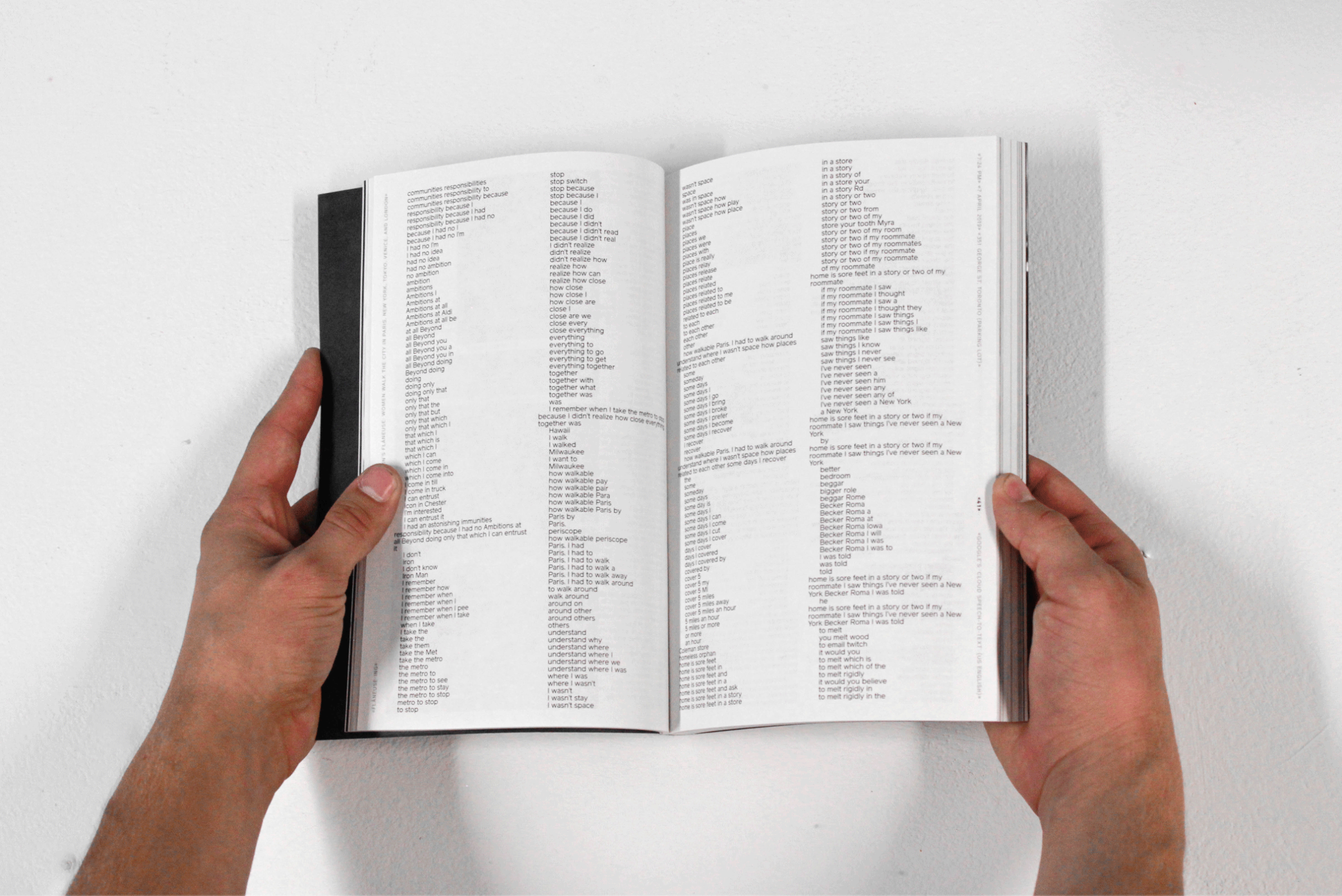
Using the old technology of an oscilloscope, the more contemporary tech development of Google’s Cloud Speech-to-Text, and my own flawed reading of the chapter, I set myself in the alleys hidden within Toronto for my performance. The text generated from my reading was then taken to create a 183-page book of Elkin’s original 21-page chapter.
// 42 min 9 sec on-location performance of We have only just met (Scene 1).
// 183-page book of recorded speech-to-text and video stills from We have only just met (Scene 1).
// Interactive installation: the microphone and script sit on one side of the door while viewers can watch the text on the oscilloscope from the other side, out of range of the speaker’s voice.
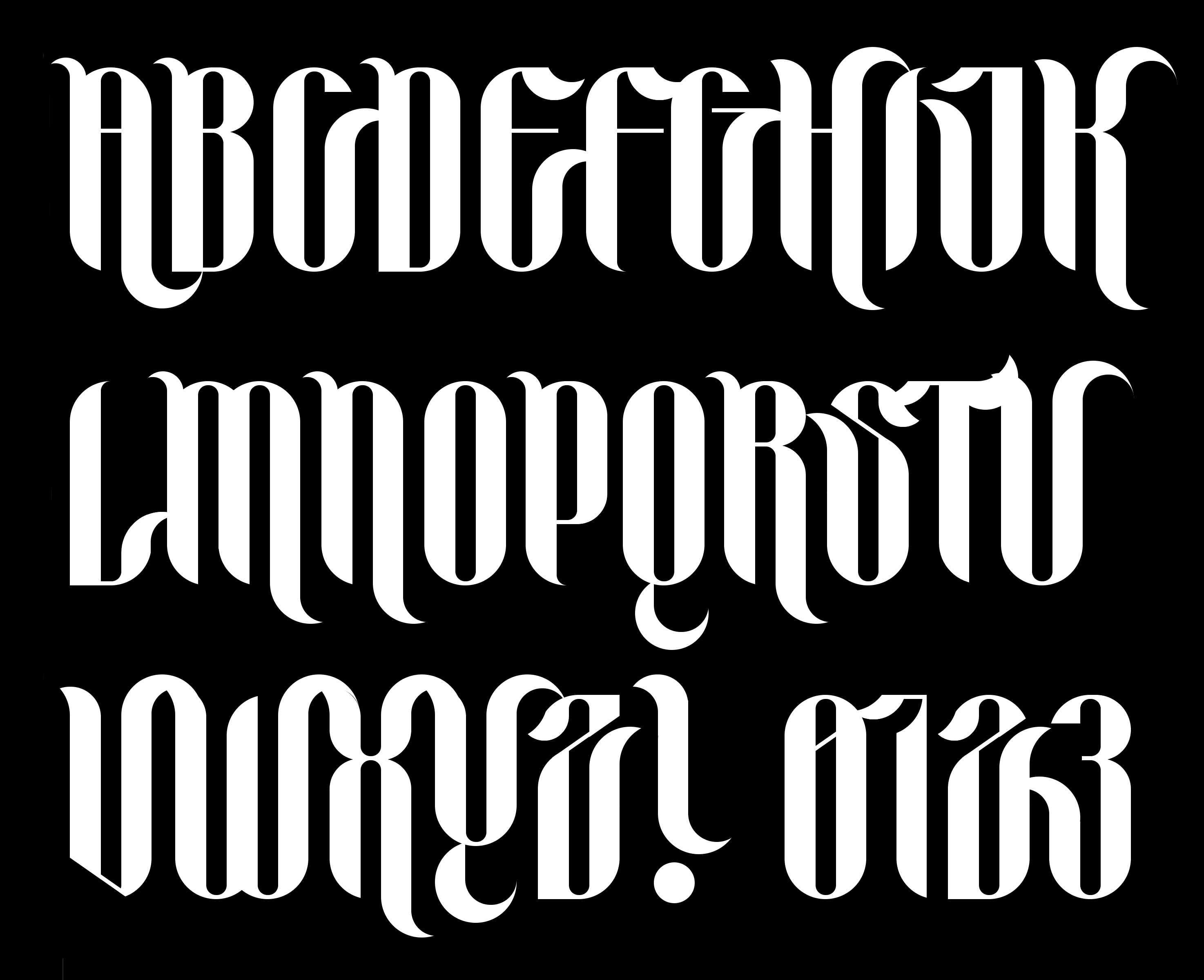
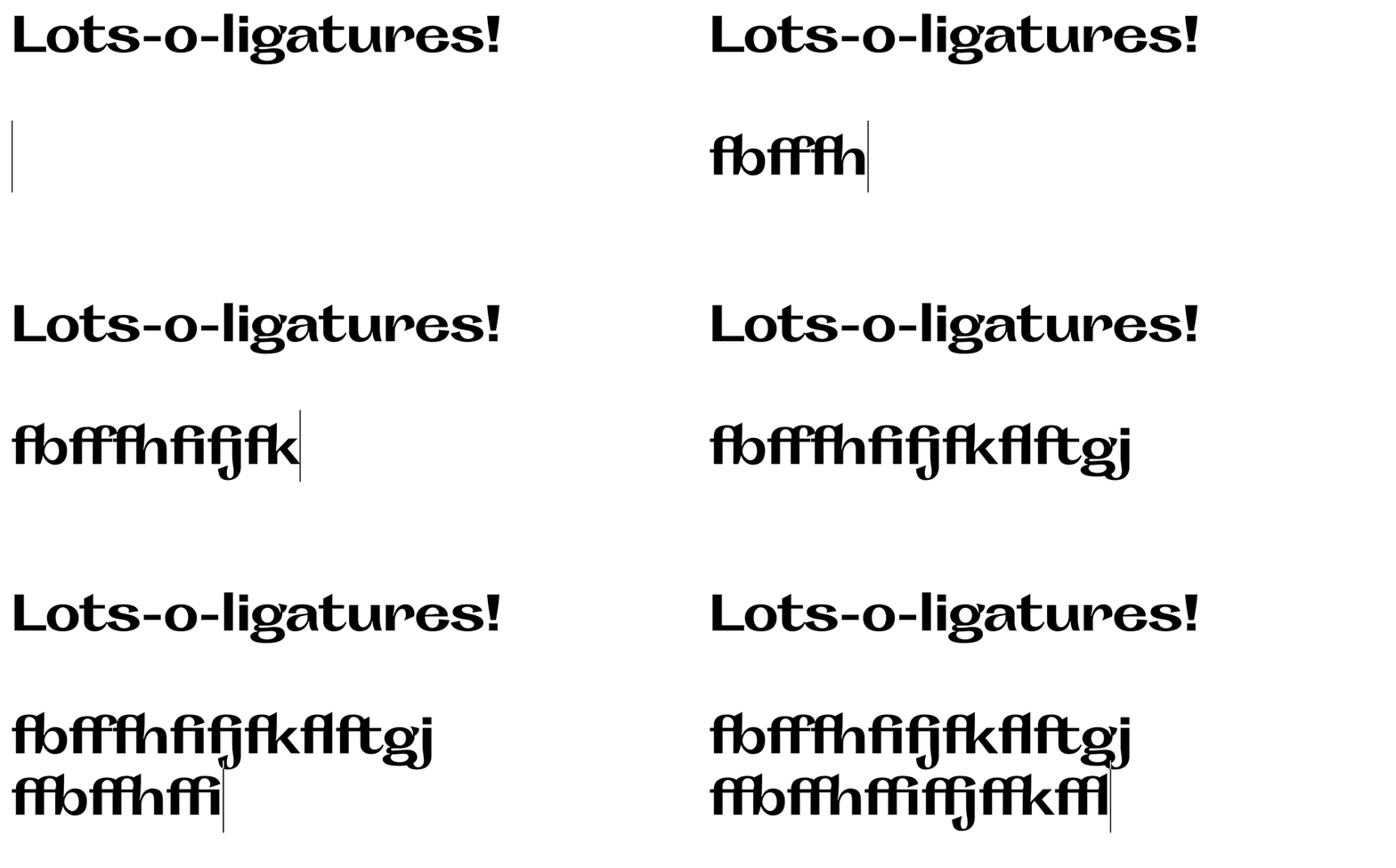
// Typeface (regular and italic), 16 × 36 in specimen poster.
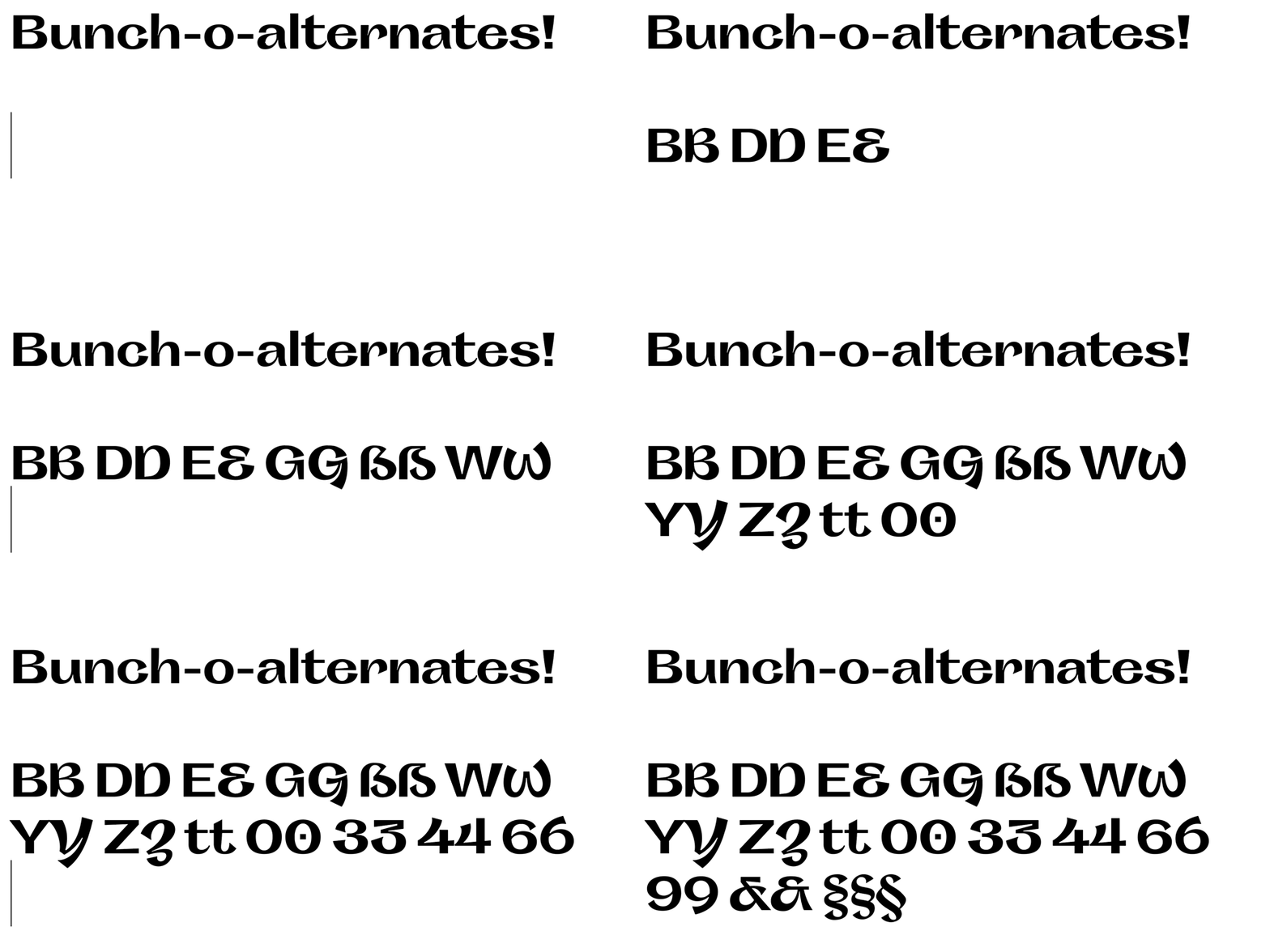
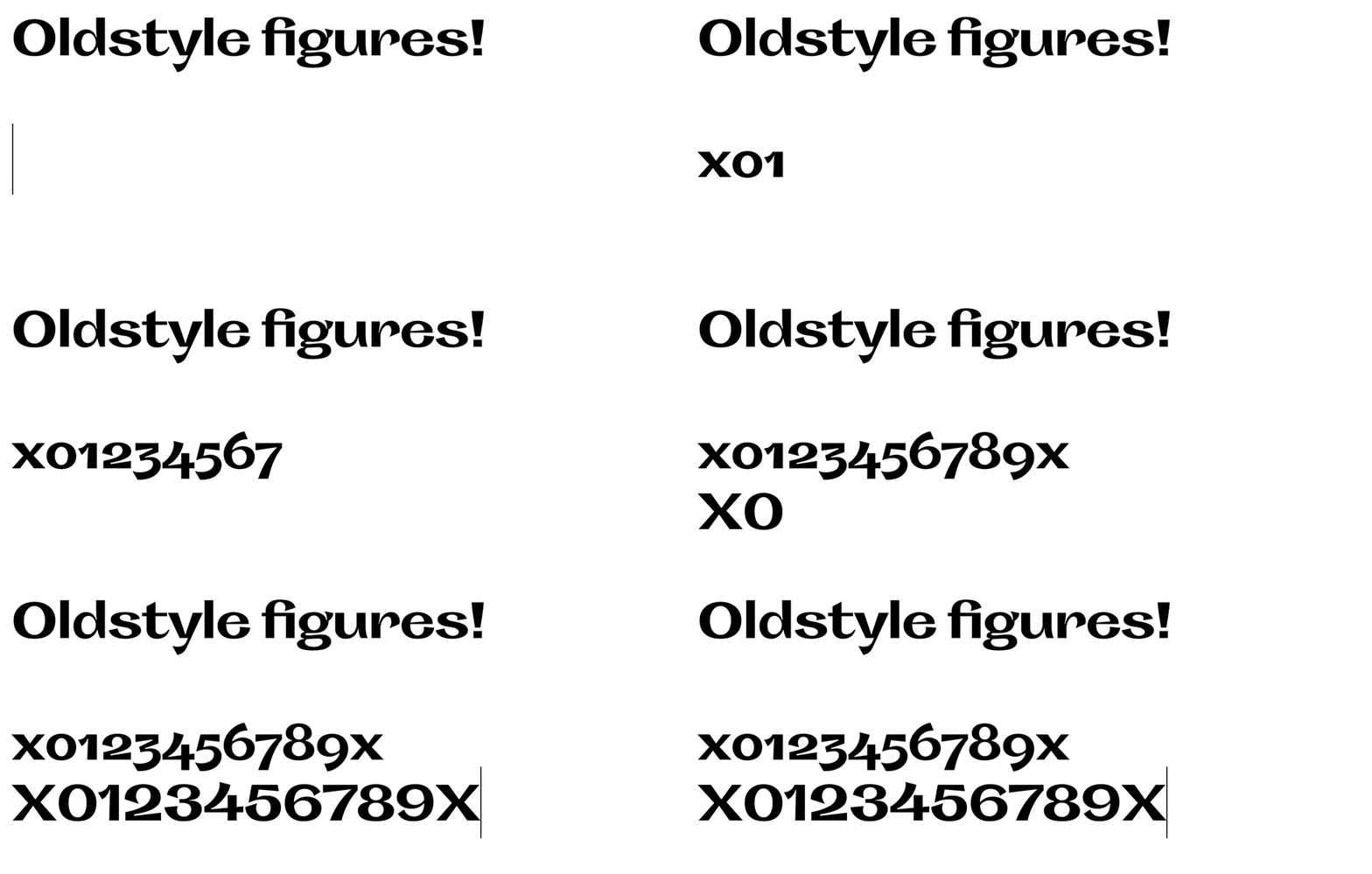
Swooshes, ink traps, and alternate glyphs galore, Defunkt is a new typeface that carries on the tradition of weird and awkward grotesques. This is an avenue that has absolutely already been explored, but why not keep having fun? Defunkt seeks to inherit the conventions that define its predecessors but implements glyphs with high-contrast and dramatic strokes. With display use as their goal, characters slope in and out with gusto to produce unusual and energetic forms. Where strokes are often thin, they are thick; where they are usually wide and strong, forms are pinched and narrow; letterforms shrink, grow, and confidently flare out.
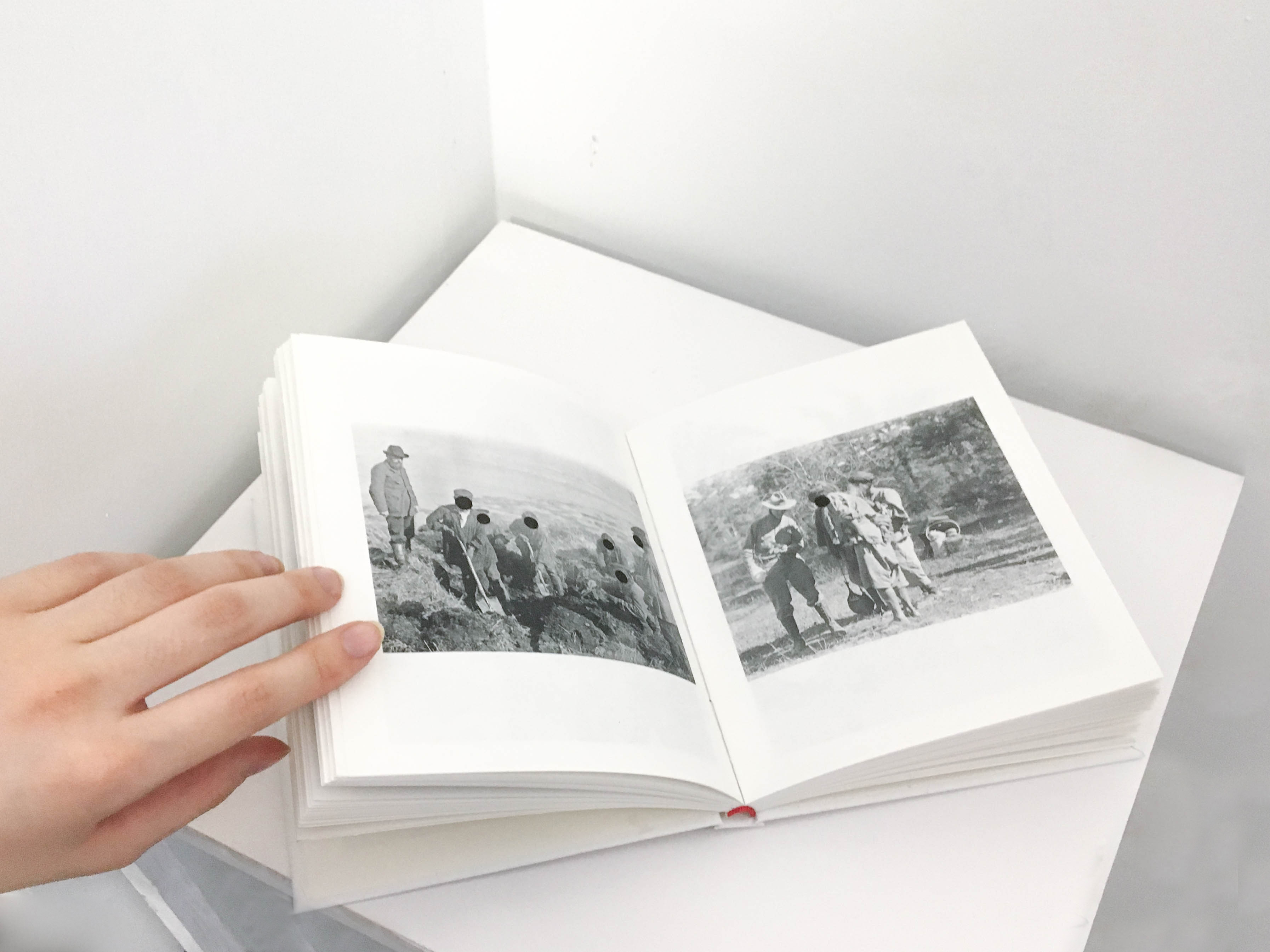
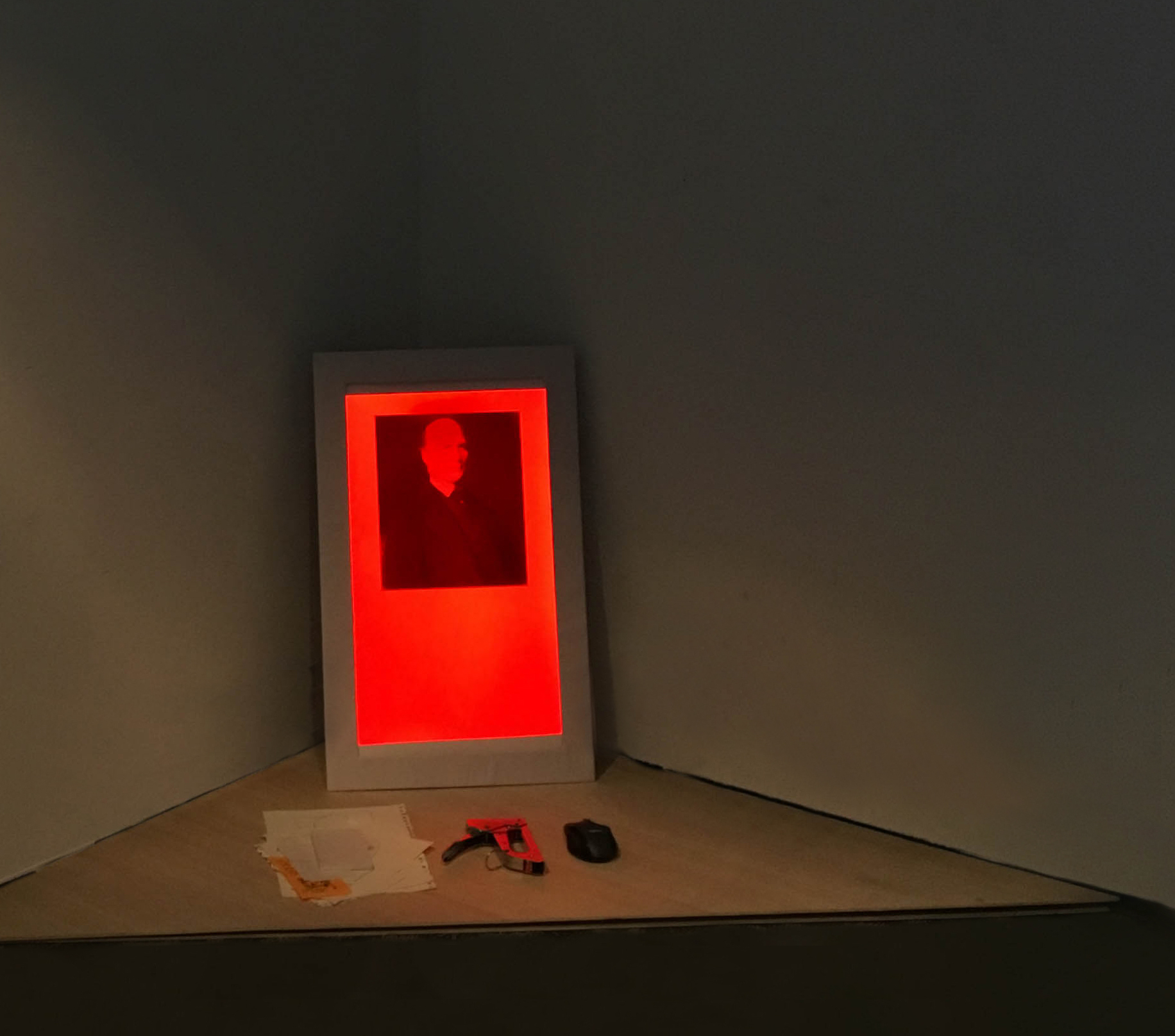
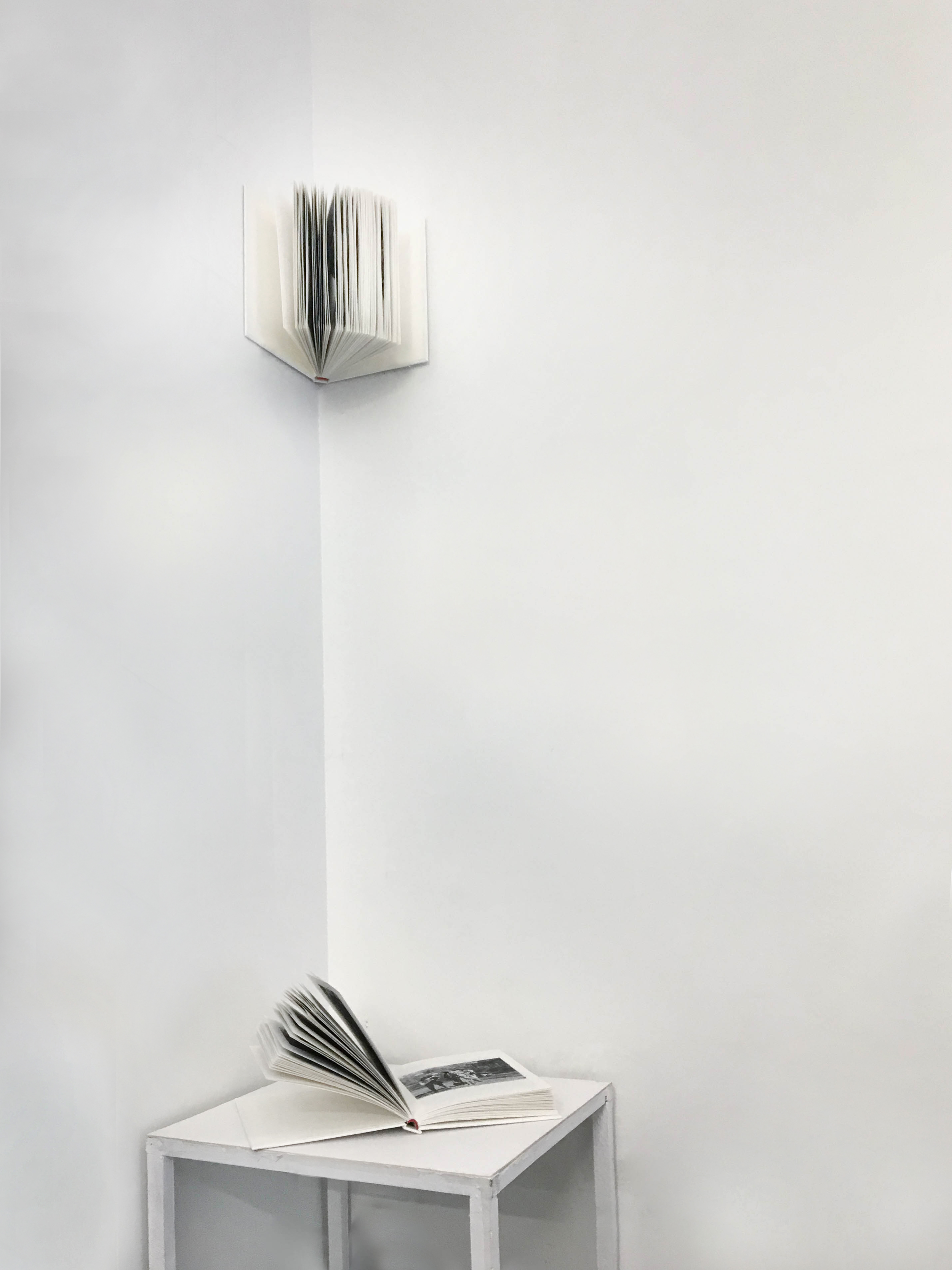
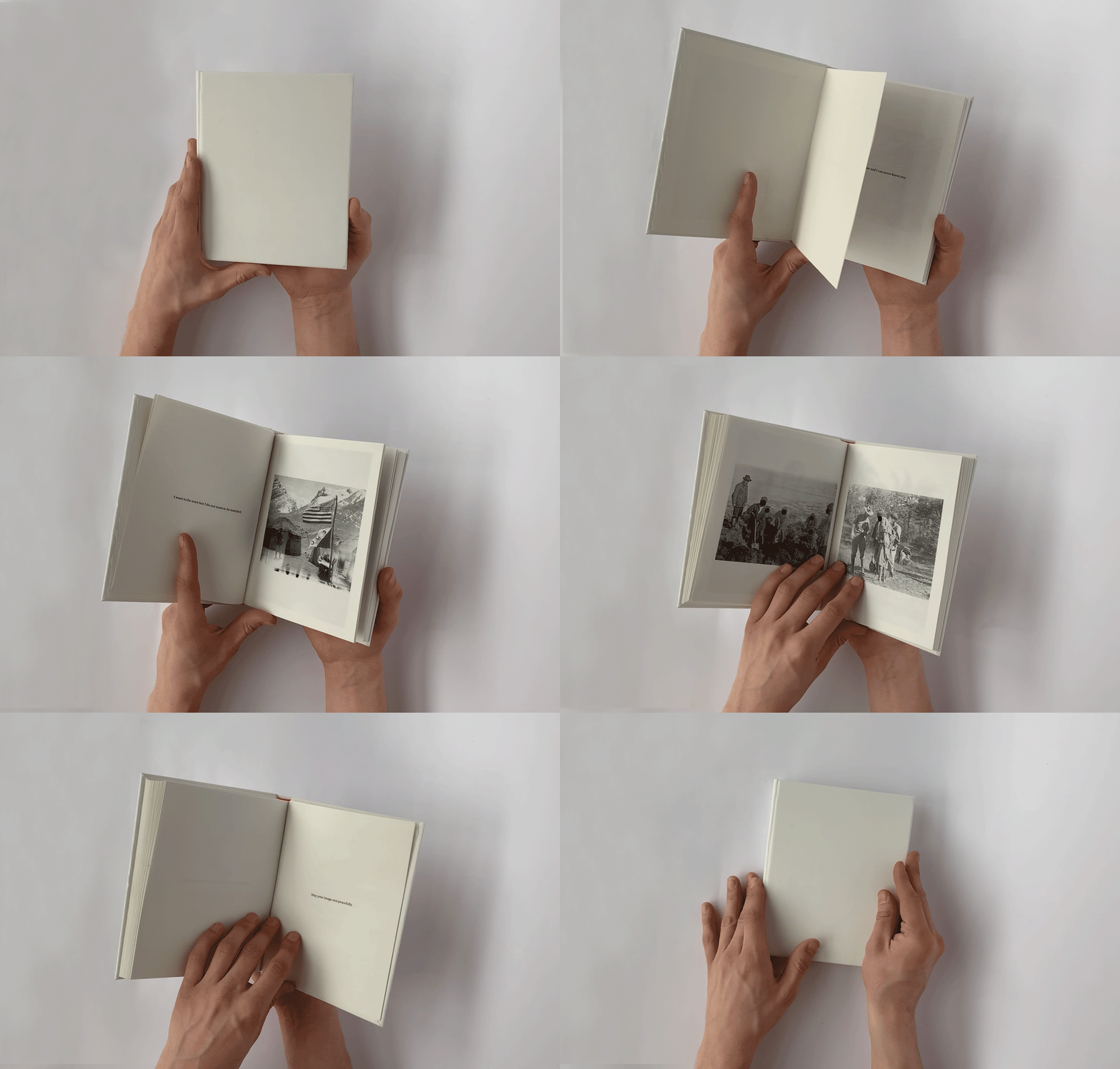
Essentially Anonymous is a two-part installation comprised of two books, one that can touched and flipped through and another that is out-of-reach and unknowable. Both books are comprised of expedition photographs collected from the American Museum of Natural History’s digital archives; the untouchable book in the corner is filled with nameless photographs of people taken by researchers during these expeditions while the in-reach book puts the faces of said researchers on display for viewers to examine. These images are interspersed with a poem addressing the conflicts within the act of speaking for others and documenting experiences outside of your own. This work is a part of my undergraduate capstone project to be completed in May 2020 that addresses the issue of disinterring history and speaking about the pain of others.
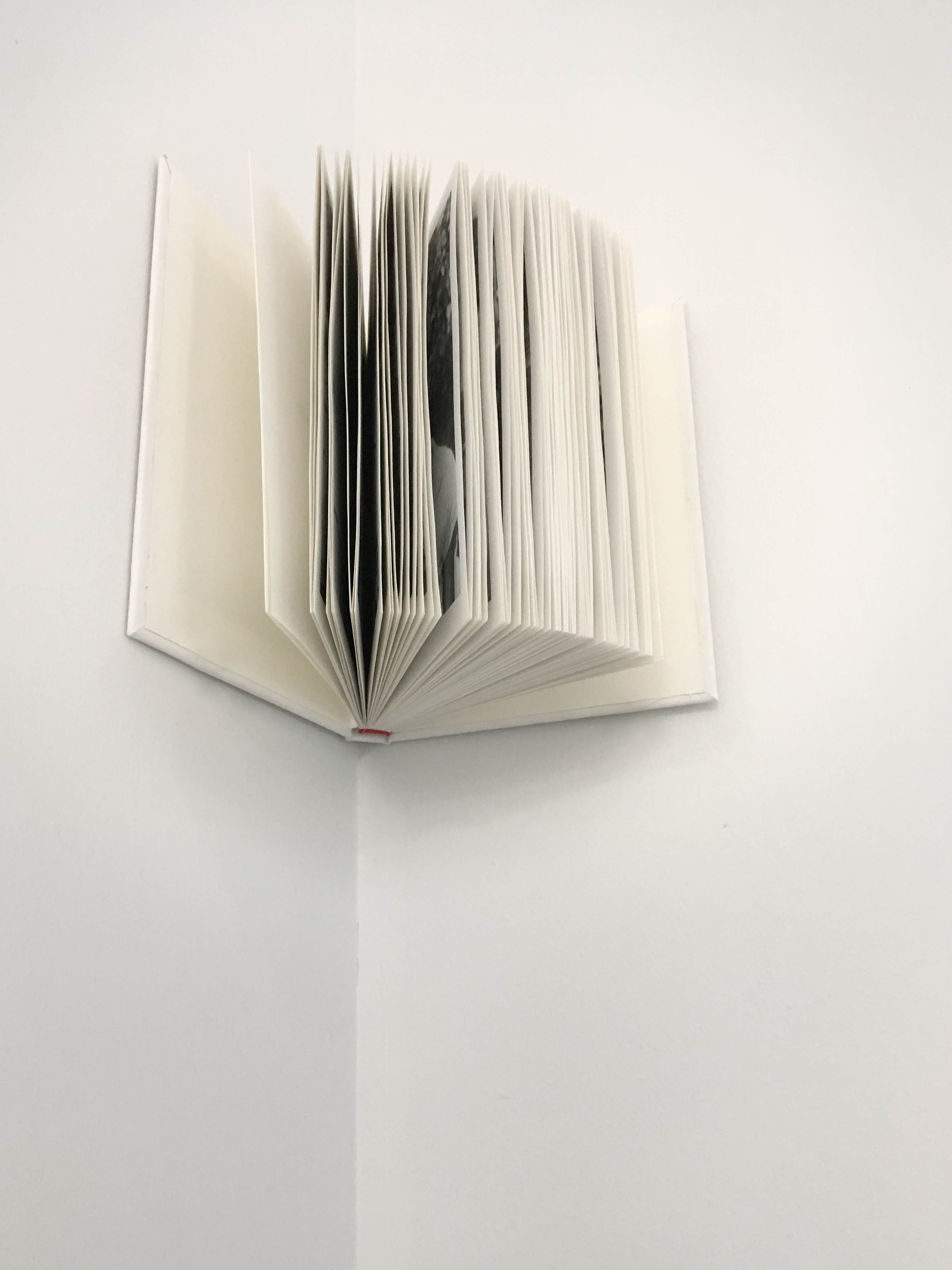
The untouchable book rests above the viewer’s head, with its pages almost out of sight, positioned in the icon corner to pay a modest tribute to these anonymous individuals by transforming the book they reside in into a type of worship space or alter. Instead of their anonymity taking away from their individuality, this type of anonymity removes these people’s faces and bodies from display altogether and returns the control of visibility back to these individuals. In contrast, the book that viewers are able to touch and see is filled with images of the expeditioners, the ones that have performed questionable acts of documentation. Both books are nearly identical: same number of pages, same text, same size. The only difference is the portraits that have been swapped out. With antiquated and unethical anthropological research practices often putting the most vulnerable people on display, this pair of books does the opposite by putting the perpetrators on display.
Below is the poem that is woven between the portraits within each book:
You do not know me and I can never know you.
I want to be seen but I do not want to be watched.
I do not want to be watched but I want to be visible.
I want to be visible but I do not want to be surveilled.
I do not want to be surveilled but I want to be present.
I want to be present but I do not want to leave my past.
I do not want to leave my past but I want to grow.
I want to grow but I do not want to leave.
I do not want to leave but I want to explore.
I want to explore but I do not want to overstep.
I do not want to overstep but I want to understand.
I want to understand but I do not want to judge.
I do not want to judge but I want to make connections.
I want to make connections but I do not want to be vulnerable.
I do not want to be vulnerable but I want to be receptive.
I want to be receptive but I do not want to be naive.
I do not want to be naive but I want to admire.
I want to admire but I do not want to stare.
I do not want to stare but I want to be curious.
I want to be curious but I want to be respectful.
I want to be respectful but I do not want to be governed.
I do not want to be governed but I want to belong.
I want to belong but I do not want to lose myself.
I do not want to lose myself but I want to participate.
I want to participate but I do not want to perpetuate.
I do not want to perpetuate but I want to create momentum.
I want to create momentum but I do not want to be misguided.
I do not want to be misguided but I want to demystify.
I want to demystify but I do not want to expose.
I do not want to expose but I want to speculate.
I want to speculate but I do not want to exploit.
I do not want to exploit but I want to wonder.
I want to wonder but I do not want to misinform.
I do not want to misinform but I want to educate.
I want to educate but I do not want to overshare.
I do not want to overshare but I want to be vocal.
I want to be vocal but I do not want to silence.
I do not want to silence but I want to be represented.
I want to be represented but I do not want to be captured.
I do not want to be captured but I want to be remembered.
I want to be remembered but I do not want to live forever.
I do not want to live forever but I want to live forever.
I want to live forever but I do not want to live forever.
I do not want to live forever but I want to live forever.
May your image rest peacefully.
// The untouchable book filled with portraits of anonymous individuals. Their portraits only barely peak out through slivers between each page.
// The touchable book filled with portraits of expeditioners and researchers funded by the American Museum of Natural History. Due to some of these photos including the faces of local guides or other individuals not affiliated with the museum there are black circles throughout the book that censor these people’s faces.
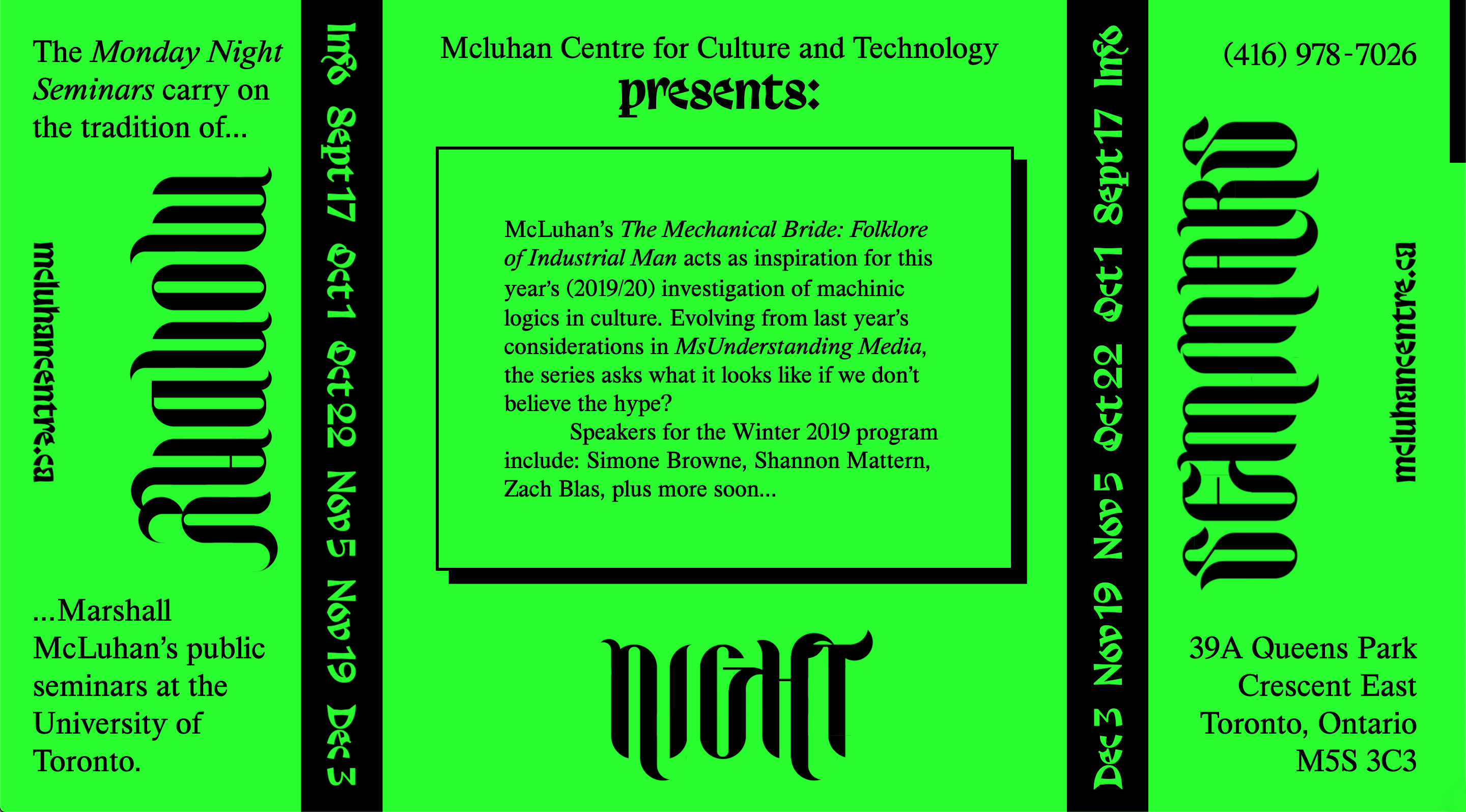
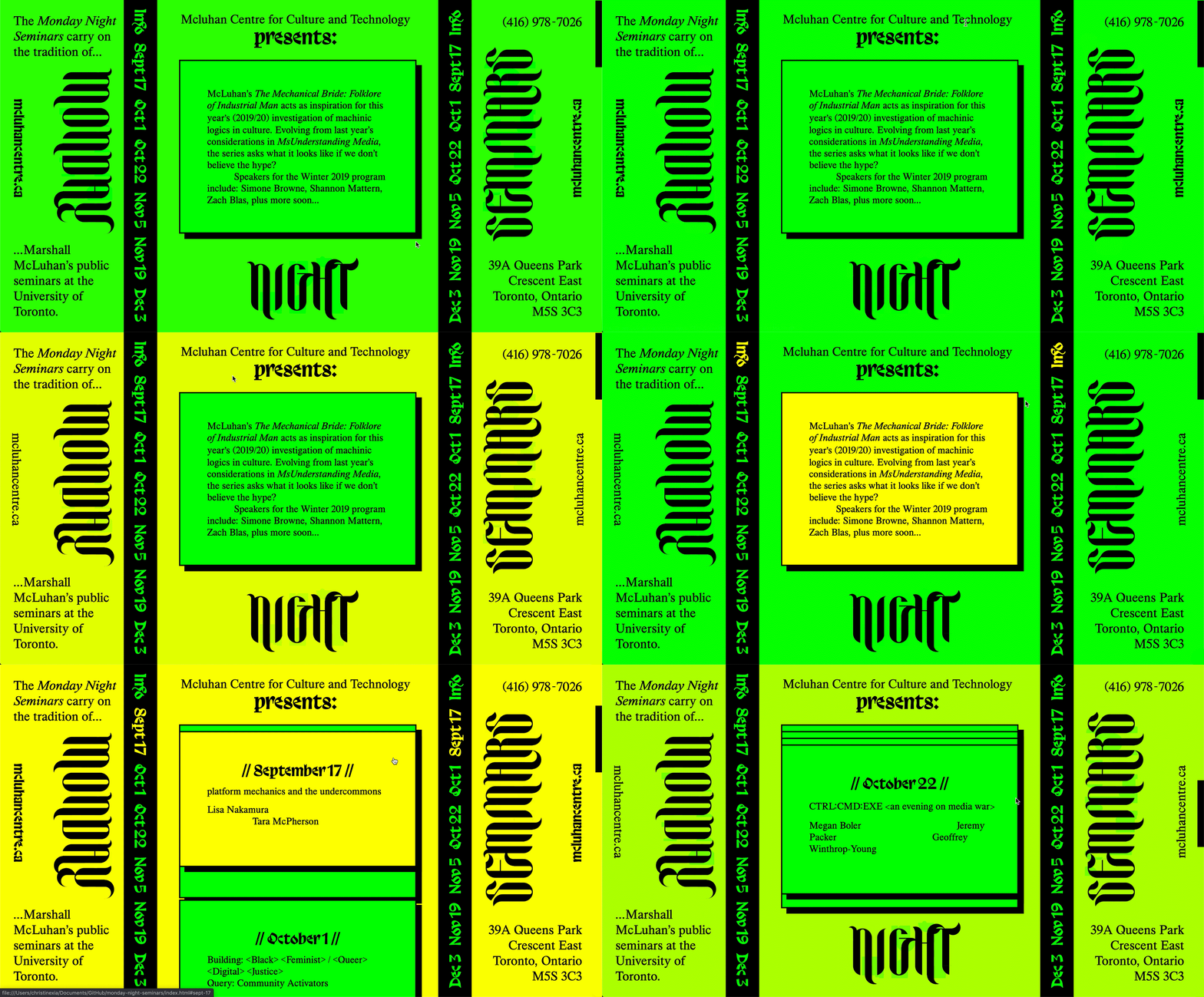
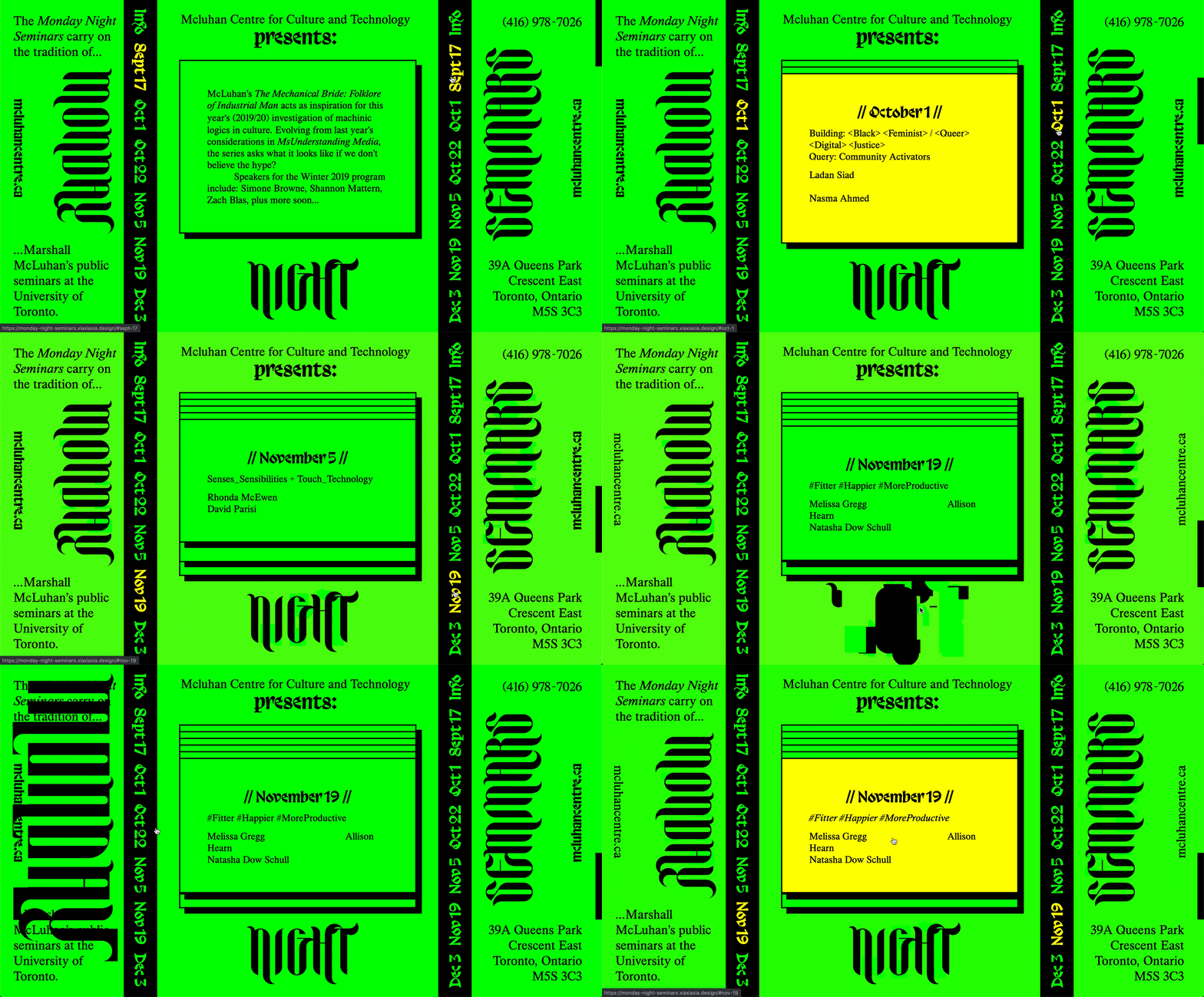
This site is a web-poster made to promote a possible series of events for Monday Night Seminars presented by the McLuhan Centre of Culture and Technology. With the series being inspired by McLuhan’s The Mechanical Bride: Folklore of Industrial Man, the idea of an ‘industrialized folklore’ seeped into the the composition, selected typefaces, choice of colour, and user interaction. Rather than this “folklore” being based in distant stories from the past, the types of cultural narratives McLuhan addresses in his essays looks to technology and the popular culture that has grown around it.
Leaning into this modern folklore theme, a composition with heavy typographic ornamentation, a web-based display face, another calligraphic typeface, a modern re-cut of Times New Roman, and a more “digitized” book reading experience with the use of stick elements that you flip/scroll through. The chaotic interactions are meant to make the users hyperaware of their engagement with the large amounts of content they are presented with, reflecting the arguments in The Mechanical Bride. This leads back into the seminars which all address different ways in which we can begin to tackle, disassemble, and take control over the overwhelming and over-growing techno-culture that surrounds us.
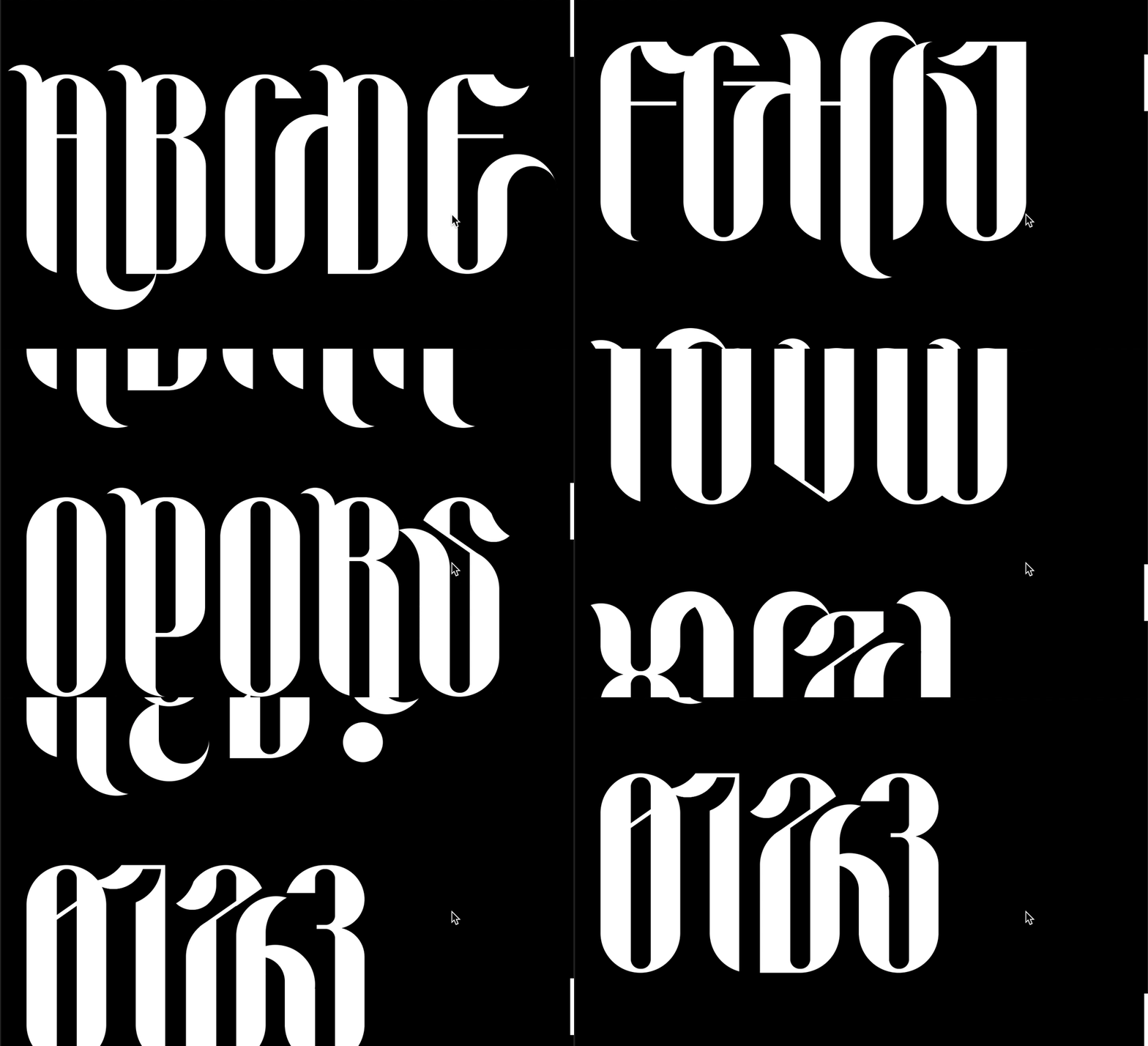
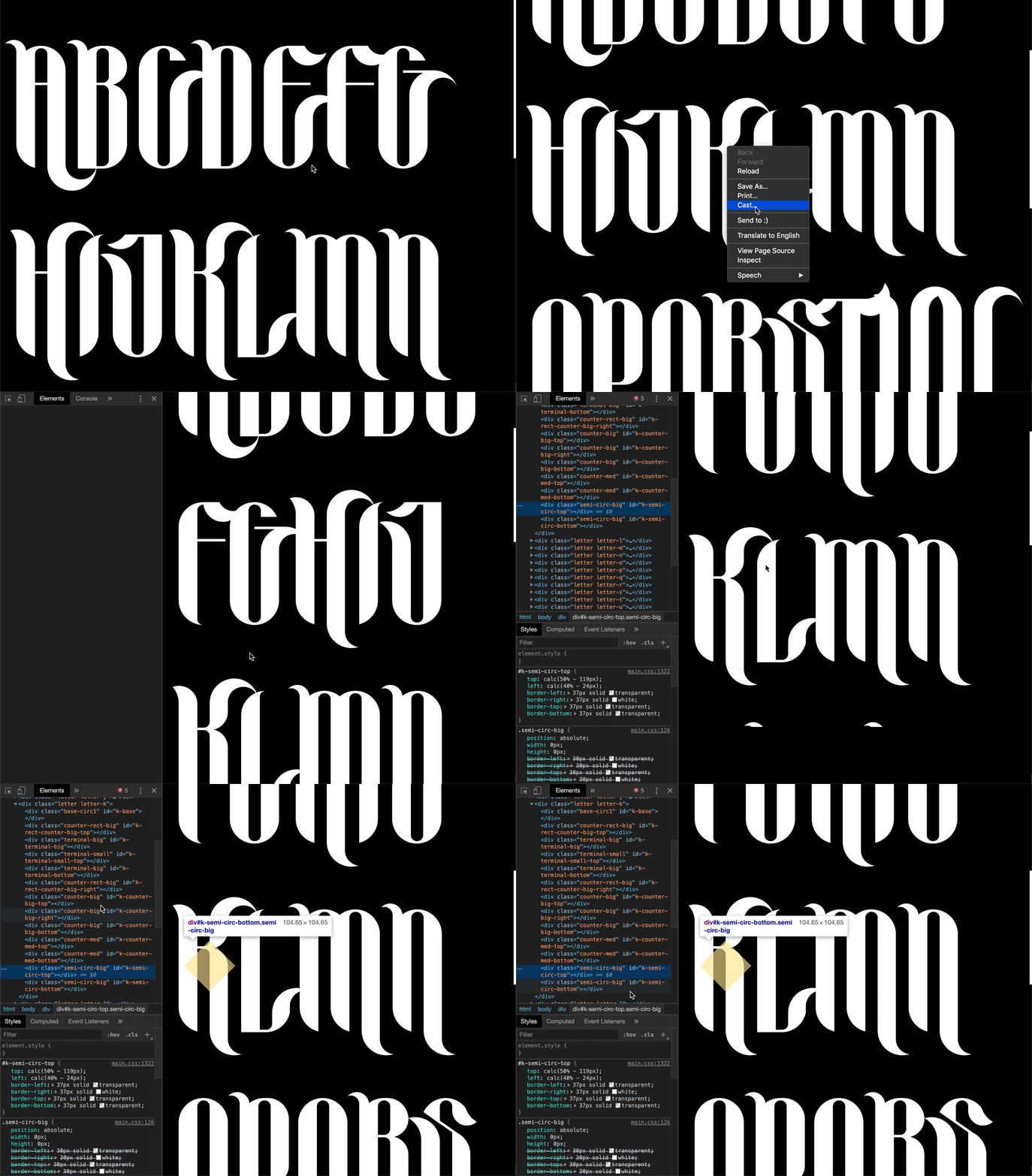
Rave in Berlin 1100 is a display face created purely with HTML and CSS. While its rigid set of rules and alignments keep it in a strict blackletter-esque order, its pointed curves sweep above and below the cap-heights and baselines to form a systematically dramatic set of glyphs.
View the full web poster here (best experienced in Chrome) and the full typeface here.
// The background colour is tied to user’s mouse speed, making the page glow and flash with any fast movement.
// Details on the speakers are hidden until the user hovers over them and the large titles that say ‘Monday Night Seminars’ expand and deteriorate, revealing how the letterforms were made.
This set of handwriting practice books is meant to be a teaching tool that helps to engage the user with both the language and history of China, but does so with a critical lens that acknowledges the wrong-doings and negative influence of the nation’s government. While at first the book comes off as a somewhat regular and mass-produced item, as you look closer, you can begin to uncover the true intent of its contents.
Intended as both an educational tool and a personal reflection on my heritage, the books feature both Chinese and English translations of slogans and definitions.
// On the back of each book is a brief summary of the Communist Party of China’s history from 1976 to present day.
// Included are footnotes for each page’s slogan that include a translation, date, and context for its purpose.
// Within each french folded page is the full poster from which the slogan was pulled.